 Skip to content

TL;DR:
- Wholesale liquidation offers surplus stock, not just damaged goods, from major retailers at deep discounts.
- Buying inventory by pallet or truckload requires careful vetting of suppliers, manifests, and product condition.
- Success depends on efficient sorting, targeted resale channels, market research, and building supplier relationships.
Wholesale liquidation moves billions of dollars in surplus merchandise every year, yet many retailers still assume these goods are mostly damaged or defective. That assumption leaves serious money on the table. The reality is that a large share of liquidation inventory consists of overstock, shelf-pulls, and perfectly sellable returns from major national retailers. If you are a reseller, online seller, or retail buyer looking to stretch your purchasing budget, understanding how wholesale liquidation works can open a reliable, repeatable sourcing channel. This guide walks you through the basics, the process, what you can buy, the risks involved, and exactly how to get started.
Table of Contents
- Understanding wholesale liquidation: The basics
- How the wholesale liquidation process works
- What can you buy through wholesale liquidation?
- The risks and rewards of wholesale liquidation
- Getting started with wholesale liquidation: Tips for new buyers
- What most liquidation buyers miss: The real keys to sustainable profit
- Find your next winning pallet at Coast-to-Coast Liquidators
- Frequently asked questions
Key Takeaways
| Point | Details |
|---|---|
| Bulk discount sourcing | Wholesale liquidation lets retailers buy inventory at deeply discounted prices for resale. |
| Variety and risk | Inventory covers many categories and conditions, so careful analysis increases your profit odds. |
| Smart sourcing tips | Start small, verify suppliers, and read manifests to avoid common buying mistakes. |
| Profit potential | Many successful resellers generate solid margins by mastering sourcing and local market needs. |
Understanding wholesale liquidation: The basics
Wholesale liquidation is the bulk sale of discounted merchandise that retailers, manufacturers, or distributors need to move quickly. This happens for several reasons: a store closes, a product line is discontinued, a warehouse runs out of space, or a seasonal item does not sell through. Rather than letting that stock sit idle, companies sell it in bulk to liquidation suppliers who then resell it to buyers like you.
A common misconception is that liquidation goods are always damaged or low quality. In practice, reasons to buy liquidation merchandise are compelling precisely because liquidation suppliers offer surplus, shelf-pull, and returned goods from major retailers, many of which are in new or like-new condition. You might find Nike sneakers, Lululemon activewear, or Zara clothing that simply did not sell before a seasonal changeover.
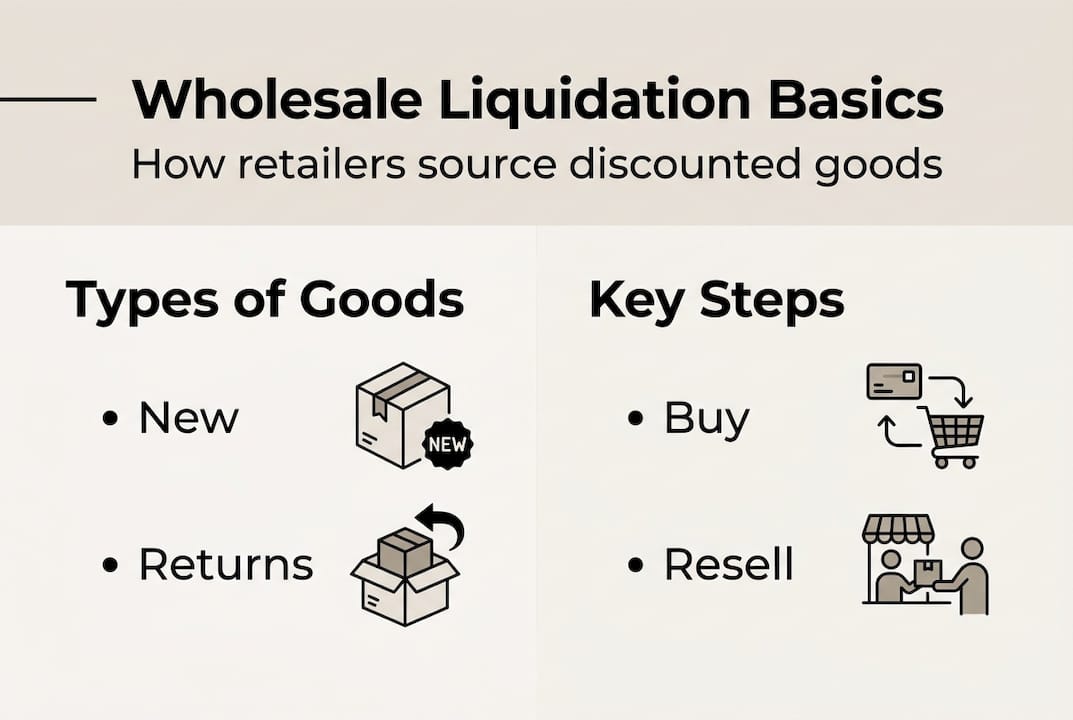
Here is a quick look at the most common types of liquidation goods and what they typically mean for buyers:
| Type | Condition | Typical discount off retail |
|---|---|---|
| Overstock | New, unopened | 30% to 50% |
| Shelf-pulls | New, may lack tags | 40% to 60% |
| Customer returns | Open box, varies | 50% to 70% |
| Salvage | Damaged or incomplete | 70% to 90% |
The categories of goods available are wide ranging:
- Apparel and footwear from brands like Nike, Zara, and Victoria’s Secret
- Electronics including tablets, headphones, and small appliances
- Home goods such as kitchenware, bedding, and decor
- Toys and seasonal items with strong holiday resale potential
- Tools and hardware for trade-focused resellers
Pro Tip: Always request a manifest before you buy. A manifest is an itemized list of everything in a pallet or truckload, including product descriptions, quantities, and condition grades. It is your single best tool for evaluating whether a lot is worth the price.
How the wholesale liquidation process works
Now that you know what wholesale liquidation is, let’s walk through exactly how it works when you buy and resell these goods.
Most liquidation stock is sold by the pallet or truckload. A single pallet might contain 50 to 200 individual items depending on the product category. The price per pallet is set well below retail value, which is where your margin potential comes from. Finding liquidation pallets through auctions or broker networks gives retailers direct access to this kind of inventory without needing a middleman.
Here is the typical step-by-step flow from sourcing to resale:
- Identify your supplier. Choose a reputable liquidation platform, auction site, or direct broker. Verify their track record and read reviews.
- Review the manifest. Before committing to any purchase, examine the manifest carefully. Look at item counts, condition grades, and brand names.
- Place your order. Once you are confident in the lot, complete your purchase. Most suppliers require payment upfront.
- Arrange shipping. Pallets are heavy and bulky. Factor freight costs into your budget before buying. Some suppliers offer free shipping above a minimum order threshold.
- Sort and assess your inventory. When the pallet arrives, sort items by condition, category, and resale channel. This step determines your actual profit potential.
- List and sell. Move inventory through your chosen channels: eBay, Amazon, a physical store, or your own website.
“Resellers can obtain premium branded products at a fraction of market price, sometimes 60% to 80% off original retail.”
Pro Tip: Start with a single pallet before scaling up. This lets you test a supplier’s quality, understand the sorting labor involved, and gauge how quickly your local or online market absorbs the inventory.
What can you buy through wholesale liquidation?
Once you understand the process, it is important to know what types of goods you can access through wholesale liquidation and what to evaluate before buying.
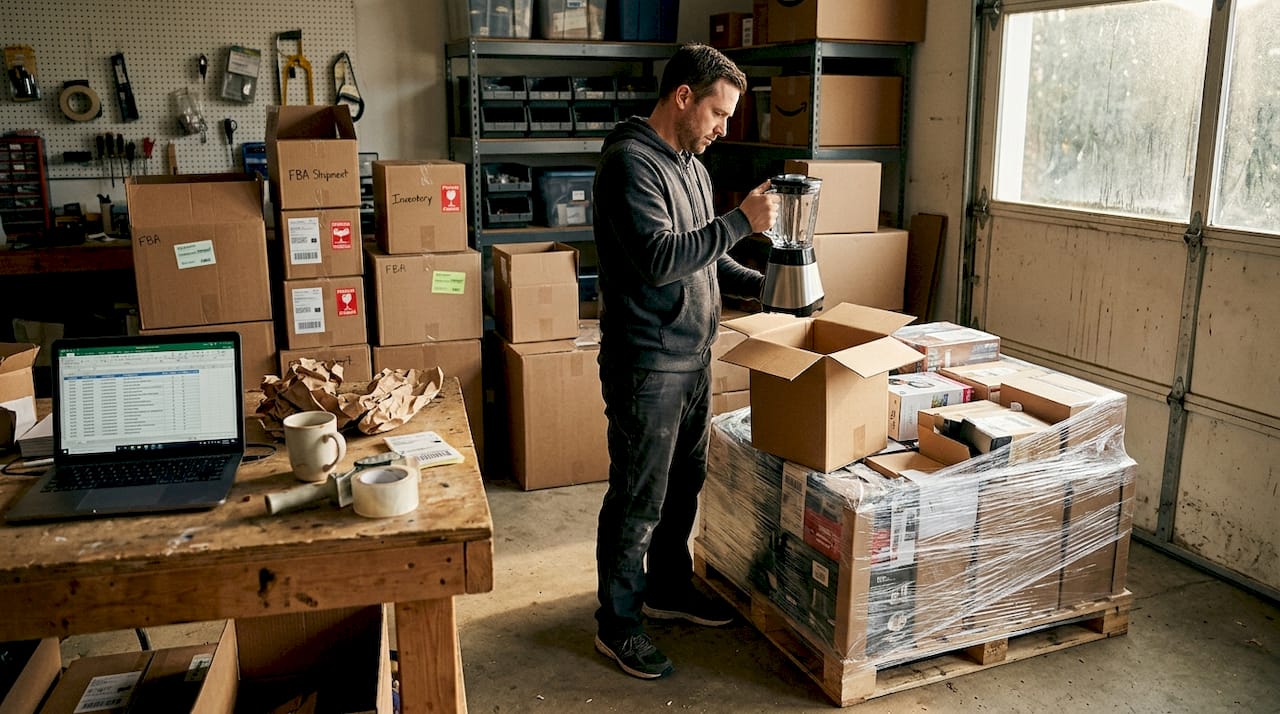
According to the liquidation profitability guide, liquidation lots include new, shelf-pull, customer return, and salvage products across diverse categories. Each condition grade carries a different risk-reward profile, and smart buyers match their category choice to their resale channel and customer base.
Here is a comparison of popular categories and their typical resale characteristics:
| Category | Avg. resale ROI | Risk level | Best resale channel |
|---|---|---|---|
| Branded apparel | 30% to 60% | Low to medium | eBay, Poshmark, boutique |
| Electronics | 40% to 80% | Medium to high | Amazon, eBay |
| Home goods | 25% to 50% | Low | Facebook Marketplace, local |
| Toys and games | 35% to 65% | Medium | Amazon, eBay, flea markets |
| Tools and hardware | 30% to 55% | Low | Local stores, Craigslist |
A few key factors to keep in mind when evaluating what to buy:
- Brand recognition drives resale speed. Items from well-known brands sell faster and at higher prices than generic alternatives.
- Condition grade affects your workload. Customer returns require more sorting and cleaning time, which adds labor costs.
- Seasonal timing matters. Buying winter apparel in spring means waiting months to sell at full price, which ties up your capital.
- Mixed lots offer variety but require more effort. A general merchandise pallet might include everything from kitchen gadgets to clothing, which can be great for flea market sellers but harder to list online efficiently.
Sorting and light cleaning can meaningfully boost your net profit from mixed-condition lots. A few minutes of effort per item often translates into a noticeably higher selling price, especially on platforms where photos and item descriptions drive buyer decisions.
The risks and rewards of wholesale liquidation
While the opportunities are significant, wholesale liquidation also comes with unique challenges and requires careful strategy.
The rewards are real and well documented. Maximizing liquidation profit comes from understanding the resale market, knowing your niche, and vetting suppliers. When those three factors align, the financial upside is strong.
Rewards at a glance:
- Low per-unit cost compared to traditional wholesale
- Access to branded, recognizable merchandise
- Wide product variety to serve different customer segments
- Strong margin potential, especially on apparel and electronics
- Ability to scale purchasing as your business grows
Risks to plan for:
- Pallet quality can vary significantly between orders
- Manifests are not always accurate or complete
- Some stock may be obsolete, out of season, or unsellable
- Shipping costs can erode margins if not factored in advance
- Fraudulent suppliers exist and can be difficult to spot without research
Key stat: Resellers who consistently vet their suppliers and track resale rates report significantly better long-term margins than those who buy based on price alone.
Pro Tip: Always budget for a loss buffer of 10% to 20% of your pallet cost. Not every item will sell, and some will sell below your target price. Building this into your math from the start protects your overall profitability. And if you are still weighing whether the model makes sense financially, checking out are pallets worth the investment can help you make a more informed call.
Getting started with wholesale liquidation: Tips for new buyers
With a realistic understanding of both risks and potential, here is how you can take concrete steps to buy your first liquidation pallet with confidence.
As noted in guidance for finding local liquidation pallets, new buyers should start small, ask for detailed manifests, and research supplier reputations before committing to larger orders. That advice holds whether you are buying your first pallet or your fiftieth.
Here is a practical checklist to follow:
- Research suppliers thoroughly. Look for verified reviews, a physical address, and responsive customer service. A supplier who avoids direct questions is a red flag.
- Request a manifest before every purchase. If a supplier refuses to provide one, walk away.
- Understand condition grading. Know the difference between shelf-pull, customer return, and salvage so you are not surprised when the pallet arrives.
- Start with a small or sample lot. Spend less on your first order to test quality and turnaround time before scaling.
- Calculate total landed cost. Add shipping, any platform fees, and estimated labor to your pallet cost before deciding if the margin works.
- Choose your resale channel first. Knowing where you will sell helps you pick the right product category from the start.
Pro Tip: Attend local liquidation auctions or events when possible. Seeing inventory in person before buying reduces uncertainty and gives you a better sense of item condition, which is harder to assess from photos alone.
What most liquidation buyers miss: The real keys to sustainable profit
Most articles about wholesale liquidation focus on the buy-low, sell-high equation. That is accurate but incomplete. The resellers who build lasting, profitable businesses treat liquidation like a system, not a gamble.
Efficient processing is one of the most underrated factors. How quickly you can sort, clean, photograph, and list items directly affects your cash flow. Slow processing ties up capital and leaves inventory sitting unsold. New buyers frequently underestimate the labor involved, which eats into margins in ways that are not obvious until the second or third pallet.
Market research is equally critical. Knowing what sells in your specific channel, at what price point, and how fast, is what separates consistent earners from occasional lucky wins. Tools like sold listings on eBay or Amazon’s Best Sellers rank give you real data to guide buying decisions.
Supplier relationships also compound over time. A trusted supplier who knows your preferences can alert you to incoming lots that match your niche before they hit the open market. That kind of access is worth more than any single discounted pallet. For example, understanding the nuances of specific inventory types, like what you will find in an Amazon pallet assessment, helps you buy smarter from day one. True success in this business comes from systems, data, and the willingness to adapt as markets shift.
Find your next winning pallet at Coast-to-Coast Liquidators
Ready to take your next step as a reseller? Coast-to-Coast Liquidators can help you access quality inventory and expert support.
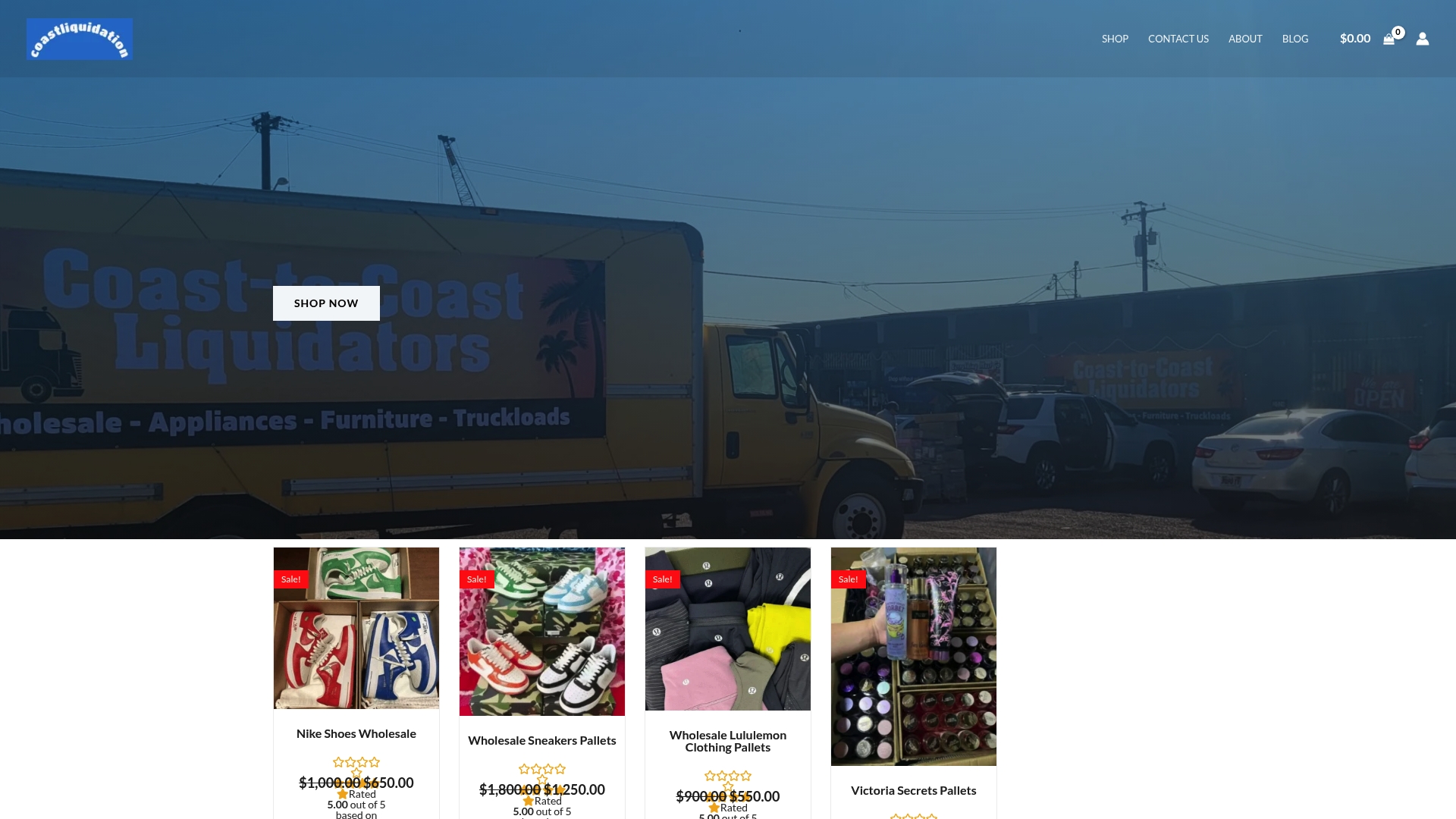
At Coast-to-Coast Liquidators, we specialize in bulk pallets of branded consumer goods, from apparel and footwear to home goods and accessories. Our inventory is sourced from major retailers, so you get authentic, recognizable merchandise at prices that support real resale margins. We also host liquidation pallet events where you can view inventory firsthand and connect with our team directly. If you are still building your sourcing strategy, explore the liquidation buying benefits that make this model work for thousands of resellers. We offer free shipping on orders above $300 and a wide range of pallet options to match your budget and niche.
Frequently asked questions
What is the difference between wholesale liquidation and regular wholesale buying?
Wholesale liquidation involves buying surplus or returned goods at a steep discount, whereas regular wholesale typically means purchasing new goods directly from manufacturers at standard trade prices. Liquidation suppliers typically resell surplus, shelf-pulls, or returns at lower prices than traditional wholesalers, which creates stronger margin potential but also more variability in product condition.
Is buying liquidation pallets profitable for small businesses?
Yes, buying pallets can be profitable when you source wisely, understand the risks, and match inventory to your specific market. ROI varies based on product type, but savvy buyers who track their numbers consistently can achieve solid margins across multiple categories.
How do I find reputable liquidation suppliers?
Look for suppliers with verifiable reputations, confirmed contact details, and transparent manifest policies. Research and communication are key to avoiding liquidation scams, so never skip the step of checking reviews and asking direct questions before you buy.
What kinds of products are best to source through liquidation?
Branded apparel, electronics, home goods, and toys tend to perform well because they carry built-in buyer recognition and strong resale demand. Categories with strong resale interest often provide the best results, especially when paired with a focused resale channel like eBay or Amazon.
Recommended
- 10 Reasons to Buy Liquidation Merchandise for Your Online Store – liquidation pallets
- Finding Liquidation Pallets Near You: A Guide for Local Retailers and Resellers – liquidation pallets
- Blog – liquidation pallets
- Is Buying Liquidation Pallets Profitable? A Retailer’s Guide – liquidation pallets
- How to Start a Bin Store: Step-by-Step Guide for 2026 – liquidation pallets
