

TL;DR:
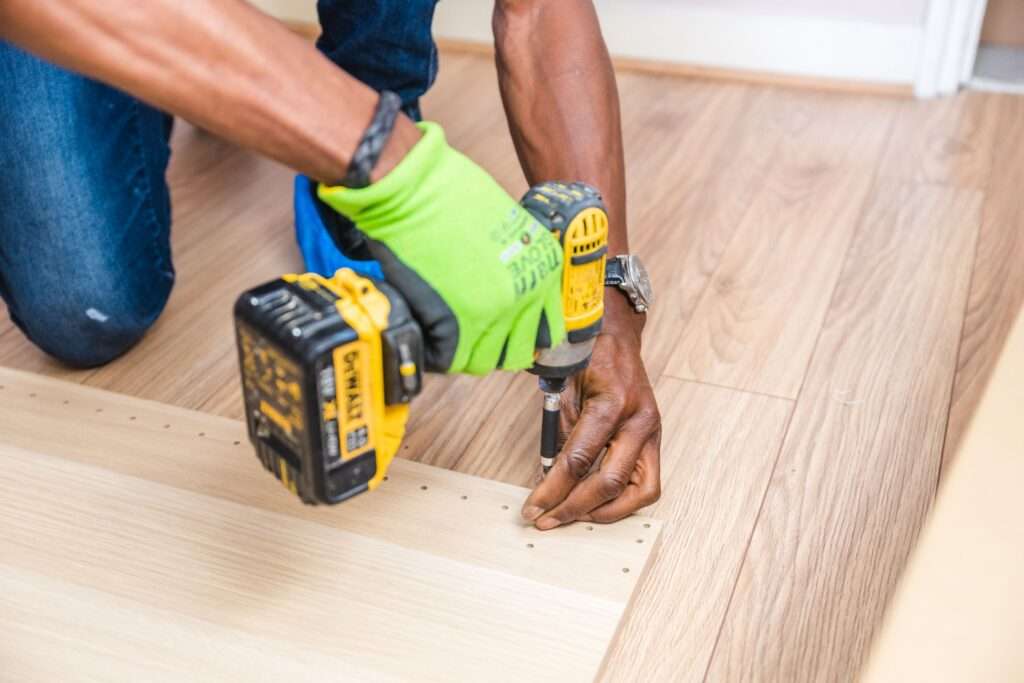
- Tool liquidation pallets carry name-brand power tools, generators, and welders – think DeWalt, Milwaukee, and Ryobi – at prices currently running $975-$3,000 on our site.
- Tools typically arrive as a mix of overstock, shelf-pulls, and customer returns, so functional testing before resale matters more here than in most categories.
- Tools hold resale value well through channels like Facebook Marketplace, OfferUp, and local classifieds, where buyers actively search by brand name.
Tool pallets are one of the more consistently in-demand categories for resellers, since name-brand tools have strong, recognizable resale value. Here’s what to expect if you’re considering a tools liquidation pallet, what they typically cost, how to test what you receive, and how to get the most out of one.
Table of Contents
- What’s typically inside a tools pallet
- Sample manifest: what a mixed tools pallet looks like
- Pricing
- Condition and testing
- Reselling tool pallets
- Worked example: from pallet to resale
- Frequently asked questions
Key Takeaways
| Point | Details |
|---|---|
| Typical brands | DeWalt, Milwaukee, Ryobi, plus generators and welders |
| Typical price | $975 – $3,000 depending on pallet size and manifest value |
| Condition | Mix of overstock, shelf-pulls, and customer returns – test before reselling |
| Best resale channels | Facebook Marketplace, OfferUp, local classifieds, flea markets |
What’s typically inside a tools pallet
Our current tool pallet listings include mixed power tool lots, dedicated DeWalt and Milwaukee pallets, Ryobi tool pallets, generator pallets, and welder pallets. A typical tools pallet includes a mix of cordless power tools (drills, saws, impact drivers), occasionally bare tools without batteries, and sometimes larger equipment like generators or welders on their own dedicated pallets.
Sample manifest: what a mixed tools pallet looks like
Manifests vary pallet to pallet, but here’s an illustrative example of the kind of line-item breakdown you’d typically see on a mixed power-tools pallet, to give you a sense of what “manifested” actually looks like in practice:
| Item | Qty | Approx. retail value (each) |
|---|---|---|
| Cordless drill/driver (bare tool) | 4-6 | $60-$120 |
| Cordless impact driver | 2-4 | $80-$150 |
| Circular saw | 1-3 | $100-$180 |
| Battery packs (assorted) | 3-8 | $40-$100 |
| Chargers | 2-5 | $25-$50 |
| Hand tool sets / accessories | 3-6 | $15-$40 |
This is an illustrative example of a typical mixed pallet’s composition, not a guaranteed manifest – always check the actual manifest for the specific pallet you’re buying, since exact contents and brand mix vary.
Pricing
Current tool pallet pricing on our site:
| Pallet type | Typical price |
|---|---|
| Mixed power tools pallet | $975 – $1,240 |
| DeWalt / Milwaukee tool pallet | $1,000 – $1,500 |
| Ryobi tool pallet | around $1,240 |
| Welders & more pallet | around $1,350 |
| Generator pallet | around $1,850 |
| Battery-operated mower pallet | around $2,000 |
See our full pricing guide for how tools compare to other categories, and our shipping vs. local pickup guide for freight cost on heavier tool pallets.
Condition and testing
Because tool pallets often include customer returns, functional testing matters more here than in categories like clothing. A practical testing checklist to run through as soon as you receive a tools pallet:
- Power on test – does every cordless tool power on, and does the battery (if included) hold a charge under load, not just at idle?
- Manifest cross-check – check for missing accessories (chargers, batteries, chuck keys, blades, carrying cases) against the manifest before you consider a unit “complete.”
- Visual inspection – look for cracked housings, frayed cords, damaged switches, or signs of water exposure.
- Function under load – for drills and drivers, actually drive a few screws or drill into scrap wood rather than just spinning the chuck with no resistance.
- Sort into tiers – separate units into “fully functional,” “functional but missing accessories,” and “parts only/non-functional” before you price anything, rather than pricing everything the same.
Reselling tool pallets
Tools tend to move well through local, in-person channels since buyers often want to test them before purchase – Facebook Marketplace, OfferUp, and local classifieds are common go-to channels. Flea markets and tool-specific resale groups can also work well for higher-ticket items like generators and welders, where buyers are actively searching for a specific brand or model. Listing tools individually by brand and model (rather than bundling everything into one lot) generally attracts more serious buyers who are searching for that specific tool.
Worked example: from pallet to resale
To illustrate how the math can work on a mixed tools pallet (using our current pricing as a starting point, and industry-typical resale assumptions – not a guarantee):
| Step | Estimate |
|---|---|
| Pallet price (mixed power tools) | $1,150 |
| Estimated freight (if shipped) or $0 (local Phoenix pickup) | $0-$250 |
| Your time: testing, sorting, listing (10-15 units) | 3-5 hours |
| Units found fully functional (typical range) | 70-85% of units |
| Individual resale listings, priced per-tool by brand/model | Varies by tool – price against comparable used listings on your resale platform |
These figures are illustrative planning assumptions based on typical outcomes for this category, not a guarantee for any specific pallet. Always base your actual resale pricing on comparable listings for the specific tools you receive.
Frequently asked questions
Do tool pallets include batteries and chargers?
It varies by pallet – some tools are sold bare without batteries or chargers. Check the manifest for each specific pallet before buying if this matters for your resale plan.
Are tool liquidation pallets a good category for beginners?
They can be, but functional testing is more important here than in lower-risk categories. If you’re new to reselling, our step-by-step buying guide is worth reading first.
What’s the price difference between mixed tool pallets and single-brand pallets?
Single-brand pallets (DeWalt, Milwaukee, Ryobi) often price similarly to mixed pallets, but can be easier to market and price consistently since buyers recognize the brand.
How should I price individual tools after I receive a pallet?
Check completed/sold listings for the same brand and model on your resale platform to gauge current market price for used condition, then price competitively based on your tool’s actual tested condition – don’t price purely off the pallet’s manifest retail value.
What if a tool doesn’t work?
Non-functional units can often still be sold as parts-only or for repair, typically at a fraction of a working unit’s price – keep them separate from your working inventory rather than pricing them the same.
Do you offer local pickup on tool pallets in Phoenix?
Yes – see our Phoenix, AZ location page for local pickup details.
