 Skip to content

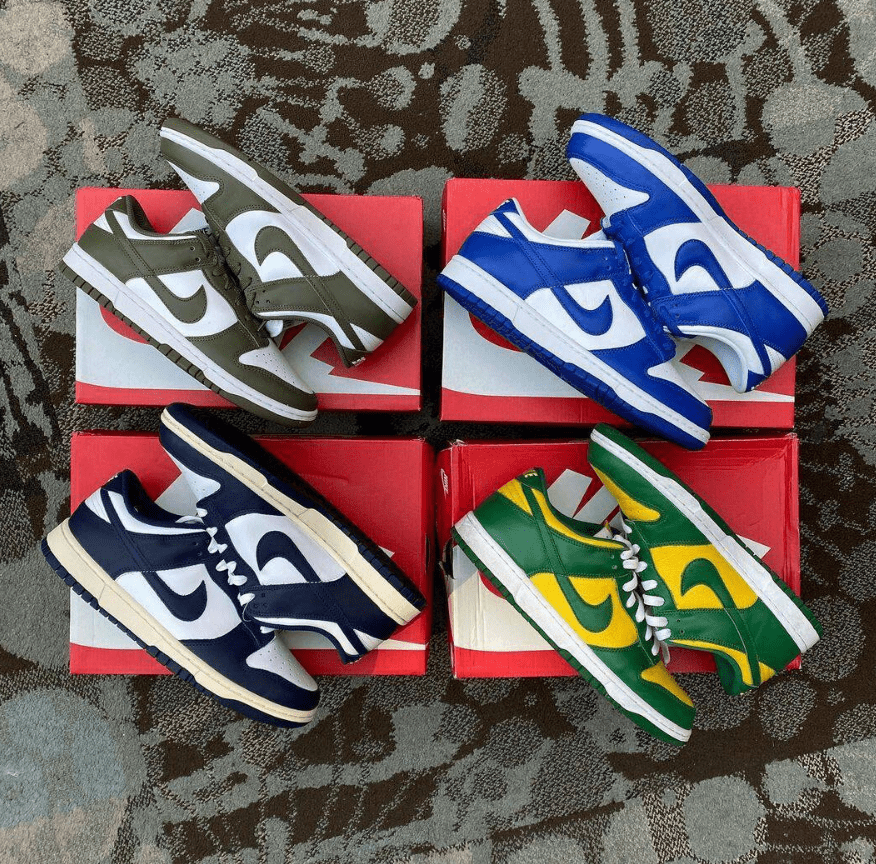
Nike is one of the most iconic and sought-after footwear brands globally, with a massive following of athletes, sneakerheads, and fashion enthusiasts. For retailers, entrepreneurs, and resellers, tapping into the Nike shoes wholesale market can be a highly lucrative venture. However, navigating the wholesale landscape requires careful planning, due diligence, and an understanding of supply chains. In this comprehensive guide, we’ll explore everything you need to know about buying Nike shoes wholesale, from finding legitimate suppliers to maximizing your profit margins.Why Nike Shoes Wholesale Is a Profitable BusinessNike’s brand power is undeniable. The company consistently ranks among the most valuable brands in the world, with annual revenues exceeding $50 billion. This strong demand translates into a robust resale market. Whether you’re opening a brick-and-mortar store, running an online shop, or flipping sneakers on platforms like StockX or GOAT, sourcing Nike shoes at wholesale prices can give you a significant competitive edge. Wholesale purchasing allows you to buy in bulk at lower per-unit costs, enabling you to set competitive retail prices while maintaining healthy profit margins. Moreover, Nike’s diverse product range—from performance running shoes to lifestyle classics like Air Force 1s and Dunks—means there’s always a market for different styles and price points.Understanding Nike’s Wholesale Distribution ModelBefore diving in, it’s crucial to understand how Nike distributes its products. Nike operates a selective distribution model, meaning they control who can sell their products. Authorized retailers must apply and meet strict criteria, including minimum order quantities, store appearance, and sales performance. Nike does not typically sell directly to small businesses or individual resellers. Instead, they work with established retailers, department stores, and specialty shops. For smaller buyers, the most common route is through authorized distributors or wholesalers who purchase from Nike in bulk and then resell to smaller retailers. However, you must be cautious: many unauthorized sellers operate in the gray market, selling counterfeit or overpriced goods. Always verify a supplier’s authenticity by checking for official documentation, business licenses, and references.How to Find Legitimate Nike Shoes Wholesale SuppliersFinding reliable wholesale suppliers is the most critical step. Here are several proven methods:Apply for a Nike Direct Account: If you have a registered business with a physical storefront, you can apply for a wholesale account directly with Nike. This requires a tax ID, business license, and proof of retail space. Approval is competitive, but it gives you access to the best prices and newest releases.Work with Authorized Distributors: Companies like Foot Locker, Champs Sports, and JD Sports sometimes have wholesale programs for smaller retailers. You can also find regional distributors that specialize in Nike products.Attend Trade Shows: Events like the Magic Show in Las Vegas or the FN Platform connect buyers with legitimate wholesalers. This allows you to inspect products in person and build relationships.Use B2B Marketplaces: Platforms like Faire, Tundra, and Handshake (by Shopify) feature verified wholesale suppliers. However, always check reviews and request samples before placing large orders.Network with Other Retailers: Join industry forums or local business groups. Other retailers may share tips on trustworthy wholesalers or even offer to split bulk orders.Red Flags to Avoid When Buying Nike Shoes WholesaleThe wholesale market is rife with scams, especially for high-demand brands like Nike. Protect yourself by watching for these warning signs:Prices that are too good to be true: If a supplier offers Nike shoes at 70% off retail, they are likely counterfeit or stolen. Legitimate wholesale margins are typically 30-50% off retail.Lack of transparency: Reliable suppliers will provide clear contact information, business addresses, and return policies. Avoid sellers who only communicate via WhatsApp or encrypted apps.No authentication guarantee: Ask for certificates of authenticity or proof of purchase from Nike. Reputable wholesalers will provide these.Minimum order quantities that are extremely high or low: Be wary of suppliers who require you to buy 500 pairs upfront without a trial order. Conversely, extremely low MOQs may indicate a middleman with limited stock.Poor online reviews: Search for the supplier’s name on forums like Reddit, Trustpilot, or the Better Business Bureau. Multiple complaints about quality or shipping delays are a red flag.Pricing Strategies for Nike Shoes WholesaleOnce you secure a supplier, you need to set competitive prices. Key factors include your cost per pair, market demand, and your target audience. For example, a popular model like the Nike Air Max 270 might wholesale for $100 and retail for $150, giving you a 33% margin. However, limited-edition collaborations (like Off-White or Travis Scott) can command much higher markups. Consider these pricing strategies:Market-based pricing: Research what competitors charge on eBay, Amazon, or your local market. Price slightly lower to attract customers, but not so low that you sacrifice profit.Bundle deals: Offer discounts for buying multiple pairs, such as “Buy 3, get 10% off.” This encourages larger purchases and moves inventory faster.Seasonal discounts: Clear out older models during sales events to free up capital for new releases.Dynamic pricing: Use tools to adjust prices based on demand. For hype releases, you can raise prices; for slow-moving stock, lower them.Legal and Tax Considerations for Wholesale BuyersBuying and reselling Nike shoes wholesale involves legal responsibilities. Ensure you have a valid business license and resale certificate (or equivalent in your country) to avoid sales tax issues. In the U.S., you must collect sales tax from customers unless you sell in a state without one. Additionally, be aware of trademark laws: selling counterfeit goods is illegal and can result in fines or lawsuits. Always keep receipts and invoices from your suppliers to prove the authenticity of your products. If you plan to sell internationally, research import duties and customs regulations for your target markets.Marketing Your Nike Shoes Wholesale BusinessTo succeed, you need a solid marketing strategy. Start by building an online presence through a professional website or social media accounts. Use high-quality product photos and detailed descriptions. Leverage SEO by targeting keywords like “buy Nike shoes wholesale” or “Nike sneakers for resale.” Consider running paid ads on Google or Instagram, focusing on sneaker enthusiast audiences. Collaborate with influencers or local athletes to showcase your inventory. Email marketing can also be effective: offer exclusive deals to subscribers to build loyalty. Finally, attend local sneaker events or pop-up markets to network and sell directly.Common Mistakes to Avoid in the Wholesale Nike Shoe BusinessEven experienced resellers can stumble. Here are pitfalls to avoid:Overstocking: Buying too many pairs of a single model can tie up your cash. Start with small orders to test demand.Ignoring trends: Stay updated on Nike releases and fashion trends. For example, retro styles like the Nike Dunk Low have seen a resurgence in popularity.Poor customer service: Returns, exchanges, and fast shipping are critical. Negative reviews can hurt your reputation quickly.Neglecting authentication: Always authenticate every pair before selling. Fakes can ruin your brand and lead to chargebacks.Not diversifying: While Nike is a staple, consider adding other brands like Adidas or New Balance to appeal to a broader audience.Conclusion: Is Nike Shoes Wholesale Right for You?The Nike shoes wholesale market offers immense potential for entrepreneurs willing to put in the work. With the right supplier relationships, pricing strategies, and marketing efforts, you can build a profitable business. However, it’s not without challenges—counterfeits, competition, and fluctuating demand require vigilance. Start small, verify your sources, and focus on providing value to your customers. Whether you’re a seasoned retailer or a newcomer, the key is to stay informed and adaptable. With Nike’s enduring popularity, now is a great time to enter the wholesale sneaker game.
Looking to diversify beyond footwear? Our comparison of Target vs. Walmart vs. Home Depot liquidation pallets breaks down which retailer fits your resale channel best.
